As hydroelectric plants in Brazil have a central role in the country's energy matrix.
As they are responsible for more than 60% of the country's electricity generation, these plants use the flow of water to transform mechanical energy into electrical energy.
So, spread across different regions, they represent not only a technological advance, but also a challenge in terms of sustainability and environmental preservation.
Come with the Itaipu Tourism and understand how these plants work, how many there are in Brazil, and get to know the main ones located in strategic states such as Paraná, Rio Grande do Sul, Minas Gerais and São Paulo.
Read on!
How do Hydroelectric Power Plants Generate Energy?
The operation of a hydroelectric plant is based on harnessing the potential energy of water.
Thus, when dammed, water accumulates energy which, when released, passes through turbines that rotate with its force, and this rotary movement is converted into electrical energy by generators.
Furthermore, the process is clean, as it does not emit polluting gases, and is considered a renewable and sustainable source of energy.
What are the main hydroelectric plants in Brazil?
Brazil has hundreds of hydroelectric plants, but some stand out due to their size, generation capacity or historical relevance.
Below, we divide the main ones by state.
Hydroelectric Power Plants in Paraná
Paraná is one of the states with the largest share of hydroelectric power generation in Brazil, with major engineering and infrastructure works.
Itaipu Hydroelectric Power Plant

Located on the border with Paraguay, it is considered one of the largest in the world in terms of installed capacity.
Thus, the Itaipu power plant It is a landmark of world engineering and also a tourist destination in Foz do Iguaçu.
Governor Parigot de Souza Power Plant
Located in the municipality of Antonina, it is an underground plant and stands out for its integration with the environment and its location in a preserved Atlantic Forest area.
Secret Plant
It is located in the municipality of Reserva do Iguaçu and is part of the Copel system, being one of the most modern companies in the state.
Hydroelectric Power Plants in Rio Grande do Sul
The state is also an important producer of hydroelectric energy, although its plants are generally medium-sized.
Machadinho Hydroelectric Power Plant
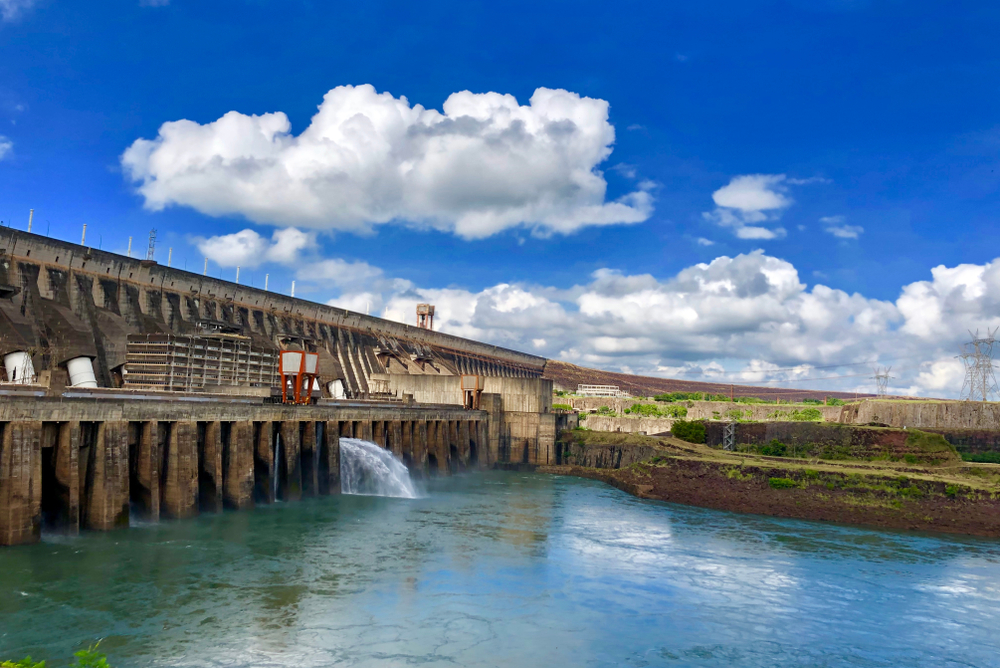
Located on the Pelotas River, on the border with Santa Catarina, it is one of the largest in the state and has the capacity to supply millions of people.
Passo Fundo Hydroelectric Power Plant
Installed on the Passo Fundo River, it is essential for the electrical system in the southern region and also important from an environmental point of view.
Hydroelectric Power Plants in Minas Gerais
Minas Gerais stands out for the large number of plants, which supply the state and the southeast of Brazil.
Furnas Hydroelectric Power Plant
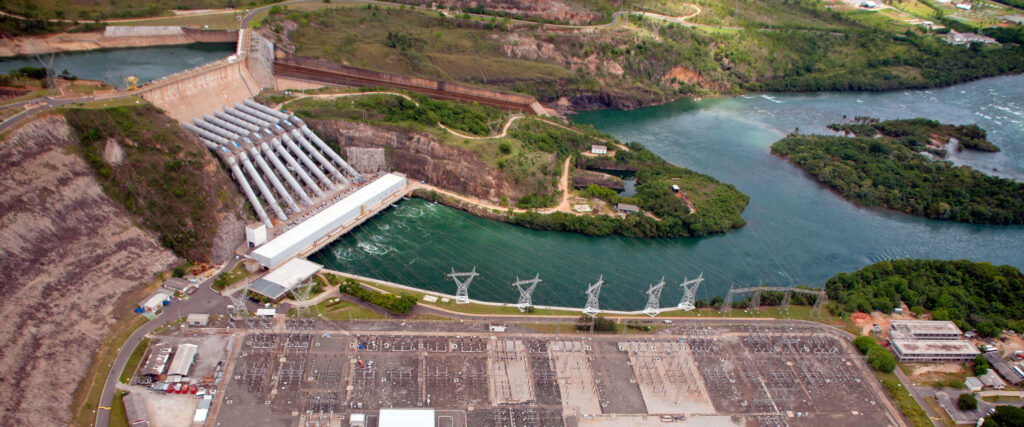
Famous throughout the country, the Furnas plant is located in Rio Grande and is one of the oldest in Brazil.
Furthermore, its reservoir is an important tourist attraction.
Three Marias Power Plant
Also known as the Três Marias Dam, it is located on the São Francisco River and is of great importance for the supply and irrigated agriculture of the region.
Hydroelectric Power Plants in Sao Paulo
With a strong industrial economy, São Paulo depends heavily on hydroelectric power, and therefore has important power plants.
Ilha Solteira Power Plant
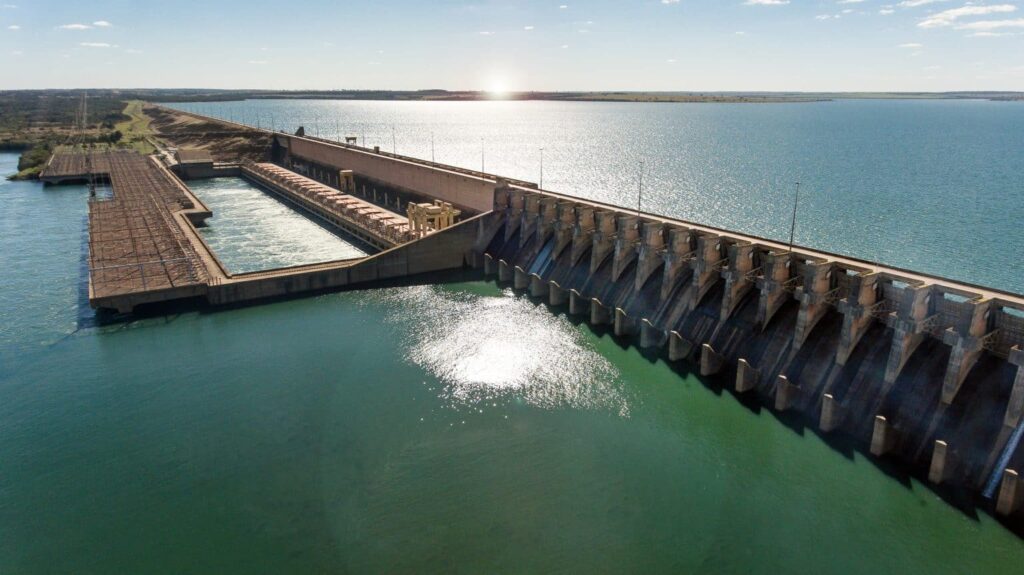
Located on the Paraná River, it is one of the largest in the state and essential for the energy supply in the Southeast region.
Jupiá Hydroelectric Power Plant
Also on the Paraná River, between the municipalities of Andradina and Castilho (SP) and Três Lagoas (MS), a lock was installed on the dam that allowed navigation on the Paraná River and waterway integration with the Tietê River.
Hydroelectric Power Plants in Rio de Janeiro
Despite not having as significant a role as other states in the generation of hydroelectric energy, Rio de Janeiro is home to important plants, especially in supporting regional supply.
Fontes Nova Power Plant
Located in the municipality of Piraí, it is one of the oldest in the state.
Thus, it acts mainly as a support plant and strategic reserve for electricity distribution in the region.
Pereira Passos Hydroelectric Power Plant
Part of the Lajes Hydroelectric Complex, the plant is located on the Paraíba do Sul River, in the city of Barra do Piraí, was inaugurated in the 1920s and is an example of historic infrastructure still in operation.
Its origins arose from the need for energy and water supply in the former Federal District and today the capital of the State of Rio de Janeiro.
How many hydroelectric plants are there in Brazil?
Brazil currently has more than 1.400 hydroelectric plants in operation, according to data from ANEEL (National Electric Energy Agency).
These plants vary in size and generation capacity, from large projects such as Itaipu and Belo Monte, to small hydroelectric plants (PCHs) that supply smaller communities and cities.
Furthermore, the distribution of these plants is concentrated mainly in the Southeast, South and Central-West regions, where there is greater availability of water resources and energy demand.
In fact, this broad generation network is essential to maintain the country's energy security and to support economic and social growth.
So, did you enjoy learning more about hydroelectric plants in Brazil?
When choosing where to stay, explore our other posts and discover how tourism and sustainability meet in places like the Itaipu Power Plant.
Plan your visit and see this national engineering force up close!
Images: Itaipu Tourism; Engie; furnas.com.br; osetoreletrico; CanalEnergia